Smart Multi-Factor QR Entry for Residential Events
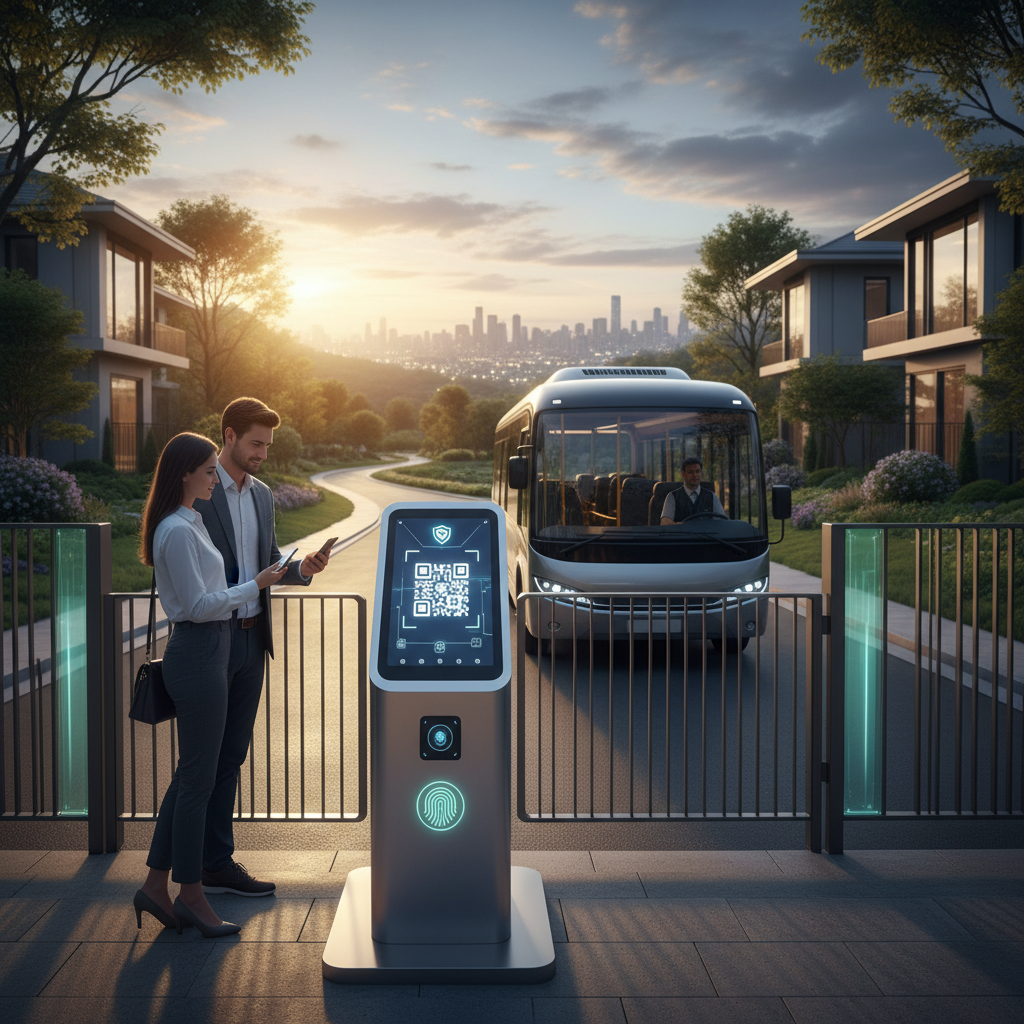
The rapid urbanization of Nigeria has led to a surge in gated communities that prioritize security and exclusivity. As these estates grow in popularity, they increasingly host large-scale social and corporate events that put immense pressure on traditional access control protocols.
Maintaining the delicate balance between high-speed guest processing and rigorous identity verification is no longer optional for modern estate managers. By implementing multi-factor QR authentication, communities can transcend the limitations of the gatehouse and move toward a model of security through visibility.
The Crisis of High-Volume Entry
Challenges of Gatehouse Congestion
In the heart of Lagos or Abuja, a single high-profile event can bring an entire residential community to a standstill. When hundreds of guests arrive simultaneously, the traditional gatehouse often becomes a source of significant operational friction rather than a protective barrier.
This congestion does more than just frustrate residents and guests; it creates a security vacuum where oversight is sacrificed for the sake of speed. Without robust digital infrastructure, security personnel are forced to make split-second decisions that can lead to unauthorized entry and compromised safety.
Beyond the Single Factor
Standard digital passes have certainly improved upon historical methods, yet they are increasingly vulnerable to simple exploitation. A basic QR code can be easily screenshotted and shared among multiple individuals, allowing uninvited guests to bypass the system's intended restrictions.
This vulnerability highlights the need for a more sophisticated approach to access control that incorporates multiple layers of verification. By requiring more than just a static code, estates can ensure that the individual at the gate is exactly who they claim to be.
Implementing Multi-Factor Authentication Protocols
The Power of Dynamic Verification
Multi-factor authentication (MFA) in a residential context involves combining the digital pass with a secondary, real-time verification step. This might include a time-bound one-time password (OTP) sent to the guest’s mobile device or a requirement for a live biometric check.
Dynamic QR codes, which refresh every few seconds, provide another layer of defense against unauthorized sharing. These codes ensure that only the person with the active digital pass can gain entry, effectively neutralizing the risk of pass duplication during high-volume events.
Integrating Intelligent Access Systems
True security is achieved when access control is integrated into a broader intelligent estate operating platform. This integration allows for a seamless flow of data between the resident's invitation, the security guard's interface, and the estate manager’s dashboard.
Effective implementation of MFA requires specific hardware and software configurations to maintain speed:
Achieving Security Through Visibility
Real Time Estate Intelligence
Visibility is the most powerful deterrent in modern estate management. When every entry and exit is logged with multi-factor precision, the estate creates a digital paper trail that can be audited at any moment to ensure compliance with community standards.
By leveraging Standardizing Incident Reporting with Digital Intelligence Dashboards, management teams can gain a holistic view of the estate's security posture. This data-driven approach allows for the identification of patterns that might indicate a breach or an area for operational improvement.
Enhancing the Resident Experience
A resident-first experience design ensures that advanced security measures do not become a burden to the community. When residents can generate secure, multi-factor invitations through a mobile app, they feel empowered and connected to the estate's safety mission.
This friction-less approach to high-level security fosters a sense of trust between the management and the residents. It demonstrates that the estate is committed to using smart operational infrastructure to protect their homes without complicating their daily lives.
The Strategic Value of Security
Impact on Property Valuation
The implementation of advanced security protocols has a direct correlation with the long-term desirability of a residential development. Investors are increasingly looking for communities that offer Enhancing Property Valuation with Smart Operational Infrastructure as a core feature.
A secure estate is a valuable estate, and the ability to handle high-volume events without incident is a key metric of operational maturity. This level of professional estate administration attracts high-net-worth individuals who prioritize safety and organization above all else.
Linking Security and Finance
Advanced access control systems also play a role in the broader financial health of the community. By Optimizing Recovery Rates via Granular Service Charge Tracking, estates can ensure they have the capital necessary to maintain and upgrade their security technology.
Transparent financial reporting and robust security are two sides of the same coin. When residents see their service charges being used to implement cutting-edge MFA systems, their willingness to contribute to the estate's upkeep increases significantly.
Technical Standards for Modern Estates
Ensuring High Speed Throughput
The primary concern with MFA is often the potential for delays, but modern AI-powered access control systems are built for speed. According to research from Gartner, cloud-native security infrastructures can process complex authentication requests in under two seconds.
This speed is critical for high-volume events where the goal is to maintain a steady flow of traffic. Professional standards set by ASIS International suggest that multi-layered verification is the most effective way to manage large crowds in sensitive residential zones.
The Role of Edge Computing
To prevent bottlenecks during internet outages, many intelligent platforms utilize edge computing. This allows the local gatehouse hardware to process authentication requests even when the primary server connection is temporarily unavailable.
Reliability is a non-negotiable requirement for high-volume entry management:
Future Proofing Residential Security
The Shift Toward Biometrics
As technology continues to evolve, we are likely to see an even greater integration of biometrics into the MFA process. Facial recognition and fingerprint scanning, when combined with QR authentication, offer a virtually unbreakable security chain for the most exclusive communities.
Industry insights from Security Magazine indicate that integrated access control is moving toward a completely touchless yet highly secure model. This aligns perfectly with the needs of modern African residential communities that value both health safety and physical security.
Scalable Infrastructure for Growth
Estates must choose platforms that can scale as their community grows. Whether managing 50 units or 500, the underlying security infrastructure should be robust enough to handle increasing visitor volumes without requiring a complete system overhaul.
A scalable intelligent estate operating platform provides the flexibility to add new features, such as automated gate control or license plate recognition, as the community's needs change. This forward-thinking approach ensures that the estate remains at the cutting edge of residential technology.
Conclusion: A New Standard of Safety
Implementing multi-factor QR authentication for high-volume events is about more than just checking IDs at the gate. It is about building a comprehensive system of security through visibility that protects the assets, the residents, and the reputation of the entire community.
By moving away from outdated, manual-heavy processes and embracing smart operational infrastructure, Nigerian estates can set a new standard for residential living. This commitment to professional estate administration ensures that every event is a success and every resident feels secure in their home.
Ultimately, the goal of any intelligent platform is to create a frictionless environment where security and convenience coexist. Through the strategic use of multi-factor authentication, gated communities can achieve this balance, ensuring that they remain safe, vibrant, and highly valued for years to come.