How To Maintain A Clean Home
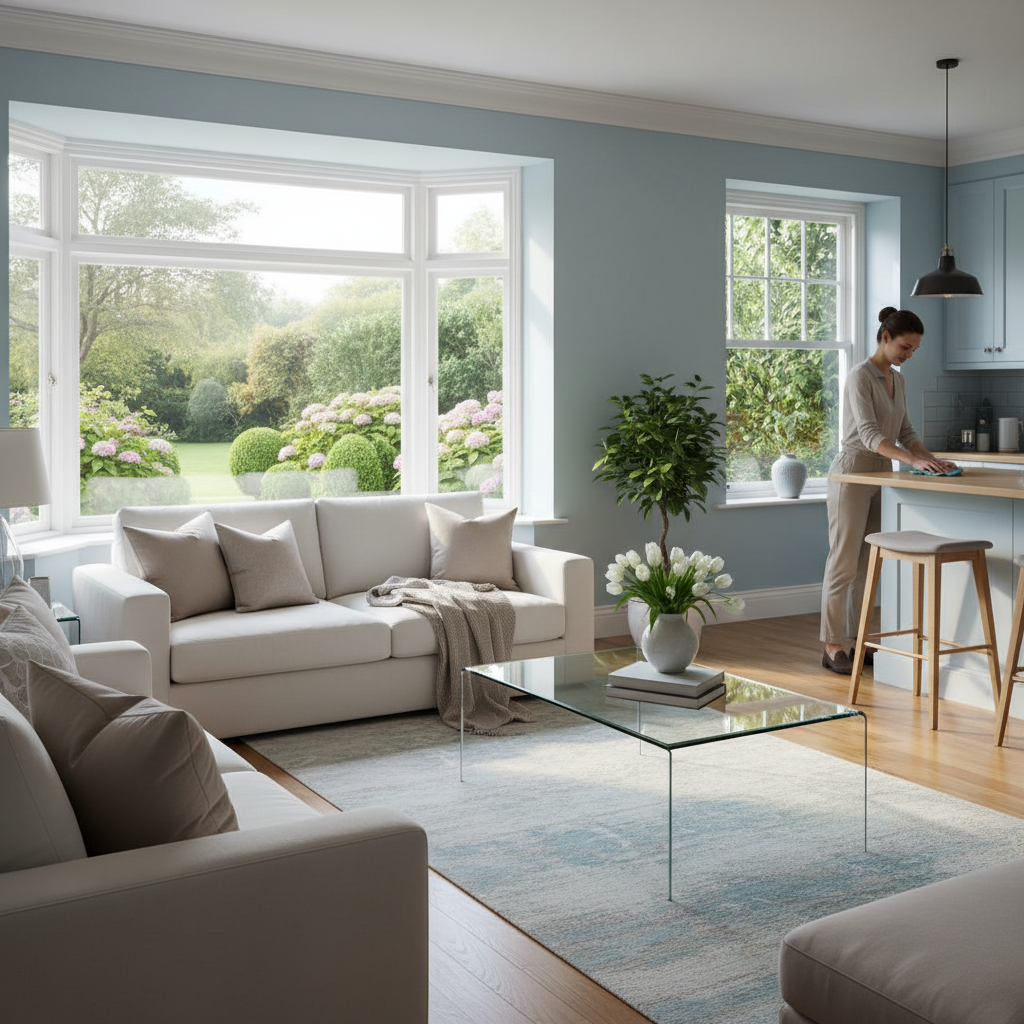
How to Maintain a Clean Home: A Complete Guide to Lasting Order and Cleanliness
A clean home is more than just an aesthetic achievement — it's a foundation for mental clarity, physical health, and overall well-being. Studies consistently show that cluttered, dirty living environments contribute to elevated stress hormones, disrupted sleep, and even reduced immune function. Yet for most people, maintaining a truly clean home feels like an endless, uphill battle. You clean on Saturday, and by Wednesday, the chaos has crept back in.
The secret isn't cleaning harder — it's cleaning smarter. The most effortlessly tidy homes aren't maintained by people with more time or energy; they're maintained by people with better systems. This guide breaks down the professional strategies, daily habits, and organizational frameworks that transform a clean home from a weekend achievement into a permanent lifestyle.
1. Shift Your Mindset: From Cleaning Events to Cleaning Habits
The single biggest mistake people make is treating cleaning as an event rather than a continuous practice. When cleaning is reserved for a specific day or occasion, the mess is allowed to accumulate unchecked, making each session feel overwhelming and discouraging.
Adopt the "Reset" Philosophy
Professional organizers and cleaning experts often talk about the concept of the daily reset — a 10 to 15-minute routine at the end of each day where every item in your home is returned to its designated place. Think of it less as cleaning and more as maintenance. Dishes go back to the cupboard, shoes return to the entryway rack, mail gets sorted, and throw blankets get folded. This single habit prevents the snowball effect where small messes compound into daunting disasters.
Embrace the "Don't Put It Down, Put It Away" Rule
This deceptively simple rule is one of the most powerful you can implement. Before setting something down on a counter, a chair, or the floor, ask yourself: does this item belong here? If the answer is no, take the five extra seconds to put it where it actually belongs. Over time, this micro-habit rewires the brain to default to tidiness rather than temporary placement.
2. Create a Realistic Cleaning Schedule
Without a plan, cleaning happens reactively — only when things get visibly bad. A structured schedule distributes the workload evenly across the week and ensures that no area of your home is ever neglected long enough to become a serious problem.
Break Tasks into Daily, Weekly, and Monthly Priorities
Daily tasks (5–15 minutes):
Weekly tasks (1–2 hours, distributed across days):
Monthly tasks (2–3 hours, scheduled in advance):
Assign Tasks Strategically
Instead of tackling everything in one marathon session, assign specific tasks to specific days. For example: Mondays for laundry, Tuesdays for bathrooms, Wednesdays for vacuuming. This approach makes cleaning far less mentally taxing and keeps each session short enough to feel manageable.
3. Declutter Ruthlessly and Regularly
No amount of cleaning discipline can make a cluttered home feel clean. Excess possessions compete for visual attention, collect dust, and make every surface harder to clean around. Decluttering is not a one-time project — it is an ongoing practice that must be woven into your home maintenance routine.
Use the "One In, One Out" Rule
For every new item that enters your home — a new shirt, a kitchen gadget, a book — one comparable item must leave. This rule prevents the gradual accumulation of possessions that slowly overwhelms organizational systems. It forces intentional decision-making at the point of purchase and keeps the volume of your belongings stable over time.
Schedule Quarterly Decluttering Sessions
Set aside time every three months to reassess one or two areas of your home with fresh eyes. Ask yourself of each item: Have I used this in the past year? Would I buy this again today? Does this add value to my daily life? Items that fail these questions should be donated, recycled, or discarded. Closets, garages, junk drawers, and under-bed storage are prime candidates for quarterly reviews.
Designate a "Donation Station"
Keep a dedicated bin or box in a convenient location — a mudroom, closet, or garage — where items earmarked for donation can accumulate between quarterly sessions. When the bin is full, it goes directly to a charity or donation center. This system removes the friction that often delays letting go of unwanted items.
4. Organize Your Space for Maximum Efficiency
A well-organized home is dramatically easier to keep clean because everything has a logical place to return to. Organization and cleanliness are deeply intertwined — one reinforces the other.
Use Zones to Organize by Function
Divide each room into functional zones based on how you actually use the space. A living room might have a reading zone (chair, lamp, book storage), a media zone (TV, remote controls, gaming accessories), and a relaxation zone (sofa, throw blankets, pillows). When every item belongs to a specific zone, tidying becomes a simple matter of returning items to their zone rather than wandering the house trying to decide where something should go.
Maximize Vertical and Hidden Storage
Clutter accumulates on horizontal surfaces — counters, floors, tables. The solution is to move storage vertically (shelves, wall hooks, cabinet organizers) and use hidden spaces effectively (under-bed storage, inside cabinet doors, drawer dividers). Clear countertops and floors are not only visually cleaner — they are genuinely faster to clean because there are fewer objects to move or clean around.
Label Everything
Labeling storage containers, bins, and baskets removes ambiguity about where things belong. This is especially powerful in shared households where different people have different organizational instincts. When the label says craft supplies or charging cables, there's no debate about where things should be returned.
5. Clean Smarter with the Right Tools and Products
Using the wrong tools or products for a job makes cleaning slower, less effective, and more frustrating. Investing in quality cleaning supplies and organizing them for easy access dramatically reduces the friction of getting started.
Build a Core Cleaning Kit
An effective home cleaning arsenal doesn't need to be expensive or extensive. Focus on quality over quantity:
Keep Cleaning Supplies Accessible
Cleaning products that are locked away under the kitchen sink are products you won't reach for in a hurry. Consider keeping small, dedicated cleaning kits in every bathroom and one in the kitchen. When supplies are already where you need them, a two-minute wipe-down becomes spontaneous rather than a production.
6. Involve Everyone in the Household
A clean home cannot be the sole responsibility of one person. Sustainable cleanliness requires shared ownership, clear expectations, and age-appropriate contributions from every member of the household.
Create a Household Chore System
Whether it's a chore chart, a shared digital list, or a simple verbal agreement, every household member should know exactly what they're responsible for and when. Rotate tasks periodically to prevent resentment and ensure everyone develops a full skill set for home maintenance.
Teach Children Early
Children as young as two or three can begin participating in tidying rituals — putting toys in a bin, carrying their plate to the sink, or helping sort laundry. Children who grow up contributing to household cleanliness develop habits and competencies that serve them for life. Frame chores positively, tie them to household teamwork, and resist the urge to redo imperfect contributions.
Conclusion: Build the System, Trust the System
Maintaining a clean home is ultimately an exercise in systems design. When the right habits, schedules, organizational structures, and tools are in place, cleanliness becomes the natural state of your home rather than something you periodically wrestle it back into.
Start small. Choose one habit from this guide — perhaps the daily reset, or the "put it away" rule — and commit to it for two weeks before layering in another. Sustainable change is built incrementally, not overnight.
The reward for that investment extends far beyond aesthetics. A well-maintained home reduces daily decision fatigue, creates a sanctuary that genuinely restores your energy, and communicates to everyone who lives or visits there that this space — and the people in it — are worth caring for.
Clean homes aren't made in a single cleaning session. They're built one small decision at a time.