Science of Flow State in 6-Year-Olds
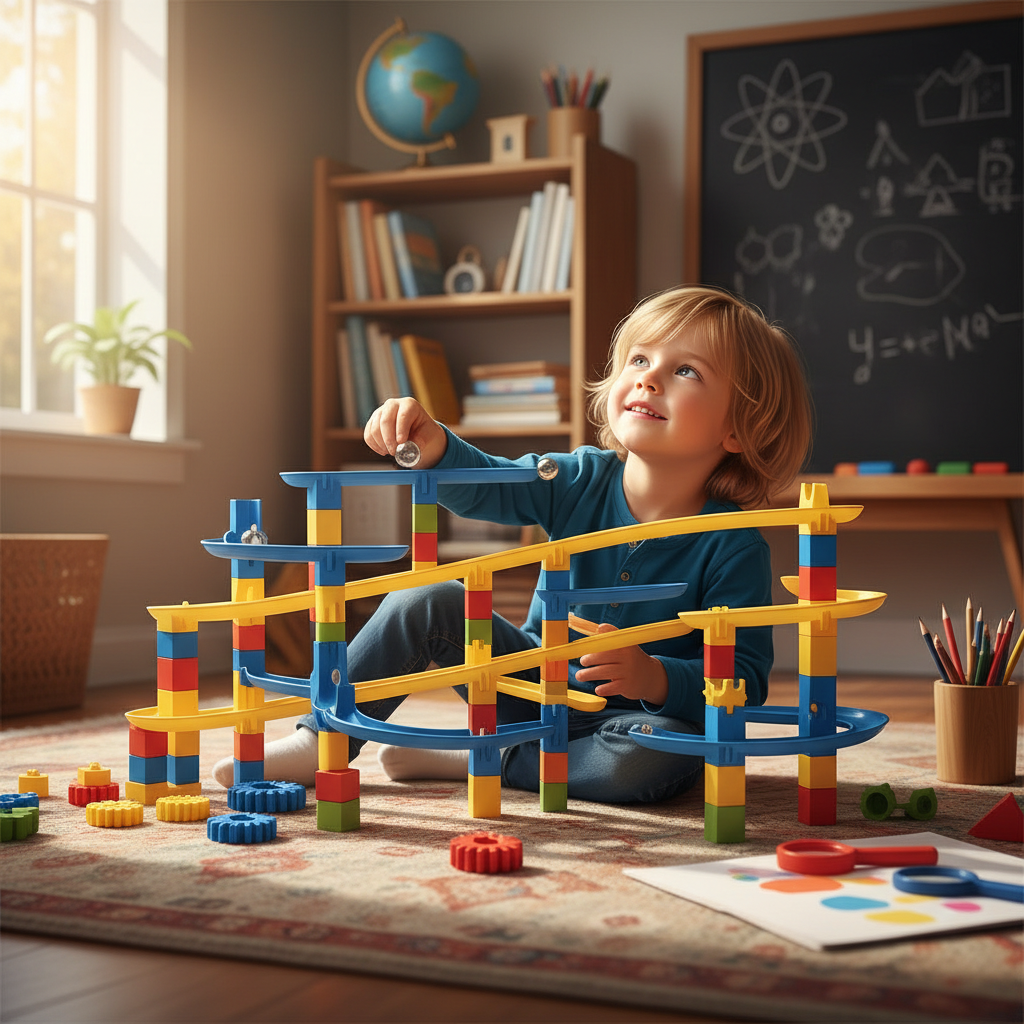
Imagine your child completely absorbed in a task, where the outside world fades away and their concentration becomes a quiet, powerful force. This magical zone is known as the "flow state," and for a six-year-old, it is the ultimate training ground for developing a lifelong superpower of focus.
While many adults struggle to find this level of immersion, young children are biologically primed for it when the conditions are just right. Understanding the neuroscience behind these moments allows us to transform fleeting curiosity into sustained attention through the clever use of micro-missions.
Understanding Flow State in Early Childhood
Flow state is often described as being "in the zone," a psychological phenomenon where a person is fully immersed in an activity with energized focus. For a six-year-old, this doesn't look like hours of silent study; instead, it looks like deep, purposeful play where they are successfully meeting a challenge that is just at the edge of their current ability.
At this age, the brain is undergoing a massive reorganization of neural pathways, making it the perfect time to introduce healthy focus habits. By engaging in Neuro-Magic: How Play Boosts Child Deep Work, children learn to direct their mental energy toward a single goal, strengthening the neural bridges between the emotional brain and the thinking brain.
Research from the Harvard University Center on the Developing Child highlights that these early experiences of focused engagement are fundamental to building executive function. When a child enters a flow state, their brain releases a cocktail of reward chemicals, including dopamine and norepinephrine, which help them stay alert and happy while learning.
This natural chemical reward makes the act of focusing feel good rather than feeling like a chore. By framing focus as an adventure or a mission, we tap into the child's natural desire to explore, turning what could be a dry exercise into a high-stakes journey of discovery.
The Developing Prefrontal Cortex
The prefrontal cortex is the part of the brain responsible for what we call "executive functions," such as impulse control, memory, and sustained attention. In a six-year-old, this area is still very much a work in progress, functioning more like a flickering candle than a steady spotlight.
Because this part of the brain is still maturing, it has a limited supply of metabolic energy to spend on concentration. Expecting a young child to focus for thirty minutes is like asking a novice runner to complete a marathon; the hardware simply isn't ready for that level of sustained strain yet.
When we understand these biological limitations, we can stop pushing for longer sessions and start focusing on higher quality engagement. This shift in perspective allows us to work with the child's brain rather than against it, fostering a sense of accomplishment that builds genuine confidence.
Why 5-10 Minutes is Perfect
The science of early childhood development suggests that the "Goldilocks Zone" for focus at age six is roughly five to ten minutes. This window is long enough to enter a flow state but short enough to end before the brain’s energy reserves are depleted, preventing the dreaded "cognitive crash."
In these short bursts, the brain can maintain peak performance without feeling overwhelmed. By keeping sessions brief, we ensure that the child finishes the activity while they are still feeling successful, which leaves them eager to return to the task later.
According to studies found on NCBI, cognitive fatigue sets in quickly when young children are forced to extend their attention beyond their natural threshold. This fatigue leads to frustration, irritability, and a negative association with learning that can last for years.
By utilizing How Kobotutor Personalizes Focus Training, parents can leverage sessions that are specifically timed to match these natural rhythms. This approach ensures that every minute spent in a mission is high-impact, building the attention muscle without tearing it down through overexertion.
The Power of Micro-Missions
Micro-missions are designed to be bite-sized adventures that provide a clear objective, immediate feedback, and a sense of narrative progression. These small wins act as stepping stones, helping children bridge the gap between simple play and complex cognitive tasks.
Each micro-mission acts as a self-contained cycle of focus: the child identifies the goal, engages with the challenge, and experiences the satisfaction of completion. This cycle reinforces the idea that focus is a tool they can use to achieve exciting things, rather than a rule they must follow.
This structure also helps in ADHD-Friendly Focus Strategies for Parents, as it provides frequent transition points and prevents the feeling of being stuck in a never-ending task. For a child with high energy, knowing that a mission has a definite end point makes it much easier to commit their full attention to the present moment.
Preventing Cognitive Fatigue
Cognitive fatigue occurs when the brain's executive resources are exhausted, leading to a sharp drop in performance and emotional regulation. In a six-year-old, this often manifests as "zoning out," becoming wiggly, or even having a meltdown over a seemingly simple task.
By keeping missions under the ten-minute mark, we effectively bypass the fatigue threshold. We are essentially giving the brain a high-intensity workout that ends just as the fatigue would normally start to kick in, allowing for a quick recovery and steady progress.
Think of focus as a battery that needs frequent, short charges rather than one long, slow charge. When we respect these biological limits, we see a dramatic improvement in the child's willingness to engage with new and difficult material.
Experts at Mindset Works suggest that protecting a child's sense of competence is key to long-term success. Avoiding fatigue ensures that children don't associate learning with the physical and mental exhaustion that comes from being pushed too hard for too long.
Building Sustained Attention Muscles
While five to ten minutes is the starting point, the ultimate goal is to gradually expand this window as the child grows. This is achieved not by forcing longer sessions, but by increasing the "density" of the focus within those micro-missions.
As the child becomes more proficient at entering a flow state quickly, their brain becomes more efficient at handling complex information. This efficiency eventually translates into the ability to stay focused for longer periods in a school setting or during homework.
By treating focus as a trainable skill—a superpower that gets stronger with every mission—we empower children to take ownership of their own learning. They stop seeing concentration as something they "have to do" and start seeing it as something they "can do" to unlock new levels of fun and achievement.
Creating the Ideal Flow Environment
To help a six-year-old reach this state of flow, the environment must be carefully curated to minimize distractions. Even small interruptions, like a loud television in the next room or a buzzing phone, can shatter the fragile focus of a developing brain.
Establishing a dedicated "mission zone" can help signal to the brain that it is time to shift into a high-focus mode. This doesn't have to be a formal desk; it can be a specific corner of the living room or a special mat where they go to do their "ninja training."
Over time, the child's brain begins to associate this space with the rewarding feeling of being in the flow. This environmental anchoring makes it easier for them to settle into a task quickly, maximizing the time spent in the five-to-ten-minute window.
Remember that the goal is to make focus feel like a natural part of their day, not an intrusion. By integrating these micro-missions into a predictable routine, we provide the stability and structure a six-year-old needs to feel safe enough to truly dive deep into their work.
Encouraging a Lifelong Love of Focus
The most important outcome of using science-backed micro-learning is the shift in the child's self-image. When a child successfully navigates a series of five-minute missions, they begin to see themselves as someone who is "good at focusing."
This positive self-identity is the strongest predictor of future academic and personal success. Instead of fearing difficult tasks, these children approach them with the curiosity of an adventurer, knowing they have the tools to handle the challenge.
As parents and educators, our role is to be the guides on this journey, providing the right maps and the right timing to ensure success. By respecting the science of the six-year-old brain, we turn the struggle for attention into a joyful path toward mastery.
Focus isn't just about getting chores done or finishing a worksheet; it’s about the freedom to explore the world with depth and clarity. By building these skills through micro-missions, we are giving our children the foundation they need to turn their natural curiosity into a lifelong superpower.