Healthy Nigerian Swallow Alternatives for Diabetes Control
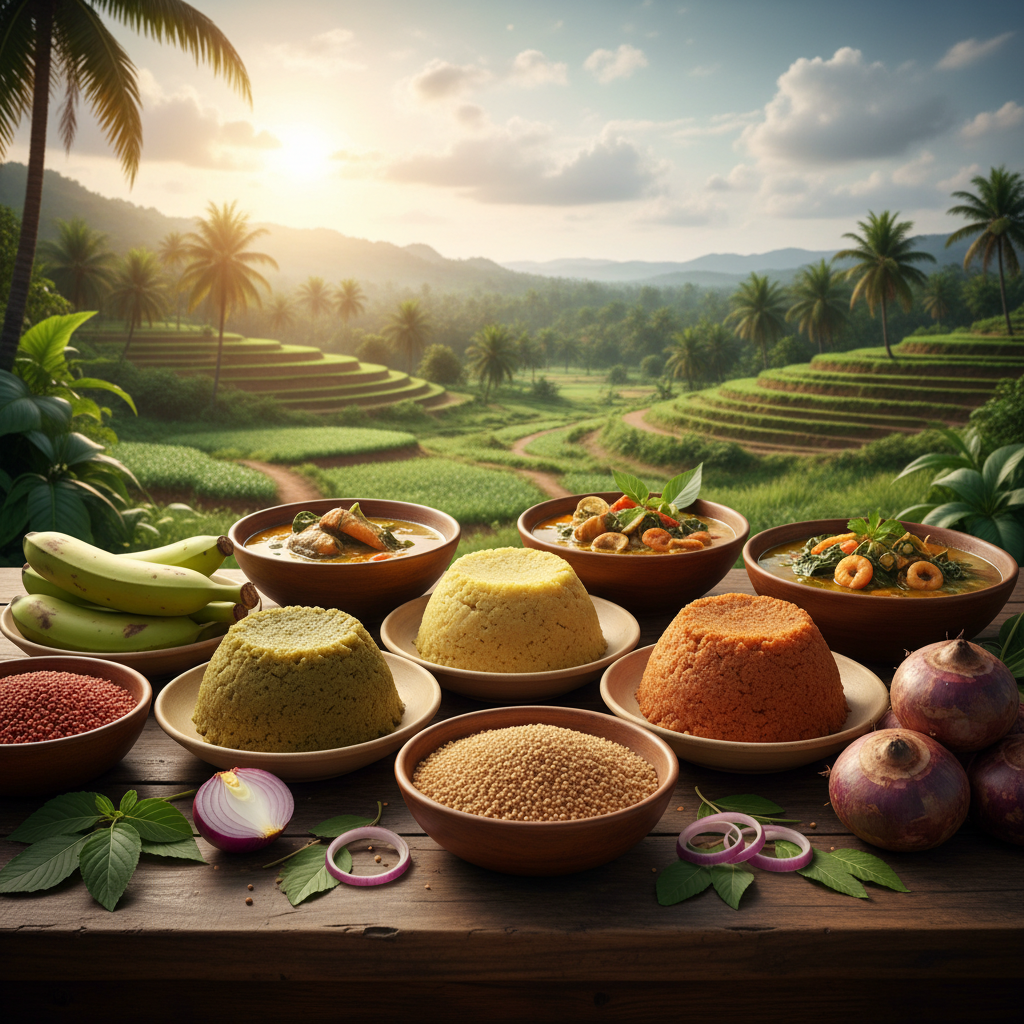
Managing blood sugar shouldn't mean abandoning the cultural joy of eating swallow with your family. By choosing the right local flours, Nigerians can enjoy their favorite soups while keeping their glucose levels in check.
For many in our community, the evening meal is a time of connection and tradition. However, the rise of Type 2 diabetes requires a shift from high-carb staples like garri and white yam to more complex, nutrient-dense alternatives.
The Importance of Glycemic Index
Understanding the Glycemic Index (GI) is the first step toward better living through information. The GI measures how quickly a food causes your blood sugar to rise, which is critical for diabetic management.
Traditional Nigerian swallows like fufu or pounded yam often have a high GI, leading to rapid insulin spikes. This can be dangerous for those managing chronic conditions and can lead to long-term health complications if not addressed.
Choosing low-GI alternatives ensures that energy is released slowly into the bloodstream. This sustained energy release prevents the 'sugar crash' and helps in maintaining a healthy weight, which is a core pillar of our wellness mission.
According to the World Health Organization (https://www.who.int/), diet is a primary factor in managing non-communicable diseases. For the Nigerian context, this means looking inward at our indigenous grains and tubers that offer better nutritional profiles.
Benefits of Unripe Plantain Flour
Unripe plantain flour has emerged as a favorite among health-conscious Nigerians for its versatility and low sugar content. Unlike its ripe counterpart, the green plantain is packed with resistant starch that does not break down easily into glucose.
This flour is not only excellent for diabetics but also supports digestive health by acting as a prebiotic. When prepared correctly, it provides a firm texture that mimics the mouthfeel of traditional pounded yam without the high caloric load.
It is essential to process this flour naturally without adding wheat or cornstarch fillers. Many local vendors may mix these flours to save costs, which can undermine the health benefits for a diabetic patient.
To ensure you are getting the best quality for your family, always Verify NAFDAC Codes for Nigerian Grains and Spices. This simple step protects your health and supports reputable local entrepreneurs who prioritize quality over quick profits.
Acha: The Diabetic Supergrain
Acha, also known as Fonio or 'Hungry Rice,' is an ancient grain primarily grown in Northern Nigeria. It is increasingly recognized globally as a superfood due to its high amino acid content and low glycemic index.
For those seeking Diabetes-Friendly Swallow Alternatives, Acha is perhaps the most nutritionally complete option available locally. It is gluten-free, rich in methionine and cystine, and has a pleasant, earthy flavor that pairs well with Egusi or Ogbono soup.
Because Acha is a small grain, it is very high in fiber, which aids in slowing down the digestion process. This fiber content is vital for maintaining heart health and reducing the risk of cardiovascular issues often associated with diabetes.
Integrating Acha into your weekly meal plan can be done in several ways:
Fiber-Rich Guinea Corn Options
Guinea corn, or Sorghum, is another powerhouse in the Nigerian pantry that deserves more attention. It is a hardy, drought-resistant crop that reflects the resilience of our agricultural heritage and provides immense health benefits.
This grain is particularly high in phenolic compounds, which act as antioxidants to reduce inflammation in the body. For diabetics, reducing systemic inflammation is key to preventing the progression of the disease and protecting vital organs.
Sorghum swallow, often called 'Ogi Baba' when fermented or simply prepared as a thick paste, offers a satisfying density. It keeps you full for longer, reducing the urge to snack on unhealthy processed foods throughout the day.
Research published by the International Diabetes Federation (https://idf.org/) suggests that high-fiber diets are non-negotiable for metabolic health. Sorghum provides this fiber in abundance, making it a cost-effective and culturally appropriate choice for Nigerian households.
Protein Addition With Soy Flour
One of the most effective ways to lower the glycemic load of any swallow is to increase its protein content. Mixing soybean flour with other low-GI flours creates a more balanced meal that supports muscle maintenance and metabolic function.
Soybeans are rich in isoflavones, which have been linked to improved insulin sensitivity in several clinical studies. By adding a portion of soy flour to your plantain or sorghum mix, you are creating a more complex nutritional matrix.
This approach is particularly beneficial for youth professionals and students who need sustained mental focus throughout the day. It prevents the lethargy that often follows a heavy, carb-laden lunch, allowing for better productivity and wealth-creation potential.
Consider the following ratio for a balanced flour mix:
Vegetable Swallows for Low Carbs
As the 'Practical Prosperity' angle suggests, we must look at modern innovations that use readily available garden vegetables. Cabbage, eggplant, and cauliflower can all be transformed into low-carb swallows that are almost zero-sugar.
Cabbage swallow is prepared by blending the leaves, squeezing out the excess moisture, and thickening the remains with a small amount of psyllium husk or oat flour. The result is a light, fiber-dense meal that is perfect for late-night dinners.
Similarly, garden egg (eggplant) can be steamed and mashed to create a swallow alternative that is rich in potassium and vitamins. These vegetable-based options are revolutionary for those who need to strictly monitor their carbohydrate intake while still participating in family meals.
These innovations are not just about health; they represent a form of grassroots community development by encouraging the consumption of local garden produce. This supports small-scale farmers and reduces the dependence on expensive imported 'diet' foods.
Buying Safe Grains in Nigeria
The quality of the flour you buy is just as important as the type of grain you choose. In many local markets, hygiene standards can vary, and the risk of contamination with stones, sand, or mold is a reality.
Investing in pre-packaged flours from reputable local brands is often safer than buying open-market 'measurements.' While it may seem more expensive initially, the long-term health savings are significant when you avoid foodborne illnesses and metabolic spikes.
We encourage our community of entrepreneurs to invest in clean processing facilities for these local grains. By improving the value chain of Acha and Sorghum, we create wealth within our communities while improving the collective health of our nation.
For those who prefer to process their grains at home, ensure thorough washing and sun-drying in a dust-free environment. Proper storage in airtight containers is necessary to prevent the growth of aflatoxins, which are harmful to the liver.
Managing Costs of Healthy Eating
A common misconception is that eating for diabetes management is too expensive for the average Nigerian family. On the contrary, many of these local grains are more affordable than processed white flours when purchased in bulk during the harvest season.
To manage the financial aspect of health, families should consider joining or forming local cooperatives. This community-first approach allows for bulk purchasing of high-quality grains directly from farmers, significantly reducing the cost per unit.
Planning your meals and buying seasonal produce are practical wealth-creation strategies. When you are healthy, you spend less on hospital bills and pharmacy visits, leaving more capital for personal and business development.
For those facing immediate financial hurdles regarding their healthcare, it may be helpful to consult a Guide to Community Health Savings Groups. These groups provide a safety net for members, ensuring that no one is forced to sacrifice their nutritional needs due to a temporary lack of funds.
Community Support and Health
Health is not just an individual journey; it is a collective effort that strengthens our entire socio-economic fabric. When a community leader or a parent adopts these Diabetes-Friendly Swallow Alternatives, they set an example for the younger generation.
Sharing recipes and success stories within our local organizations can foster a culture of wellness. This shift in mindset from 'food as mere fuel' to 'food as medicine' is essential for the long-term prosperity of our autonomous communities.
Access to reliable health information should be a right, not a luxury. By educating our families on the benefits of local grains, we are reclaiming our traditional knowledge and blending it with modern nutritional science for a better future.
In addition to dietary changes, having a structured plan for medical emergencies and routine check-ups is vital. We recommend that readers explore Community Health Insurance Models Explained to understand how collective bargaining can make healthcare affordable for everyone.
Flourishing With Better Choices
Transitioning to low-glycemic swallows is a powerful act of self-care that pays dividends in longevity and vitality. Nigeria is blessed with a variety of grains and tubers that can support a healthy, diabetic-friendly lifestyle if we choose wisely.
From the nutrient-dense Acha of the Middle Belt to the resistant starch of Southern plantains, our land provides everything we need to thrive. Embracing these alternatives is a step toward personal empowerment and community resilience.
We must remember that every small change in our diet is a brick in the foundation of a healthier Nigeria. By prioritizing our wellness today, we ensure that we have the strength and clarity to build the wealth and communities of tomorrow.
For further evidence-based nutrition tips, the American Nutrition Association (https://theana.org/) provides excellent resources on the impact of fiber and protein on metabolic disorders. Stay informed, stay healthy, and continue to lead your family toward a prosperous and vibrant life.